01
Job interviews
A new company and new people forming a first impression fast. You build a short opener and a handful of stories that cover most of what they'll ask.
Home / Interview coaching in Dubai
Job interviews · Promotions · Panels
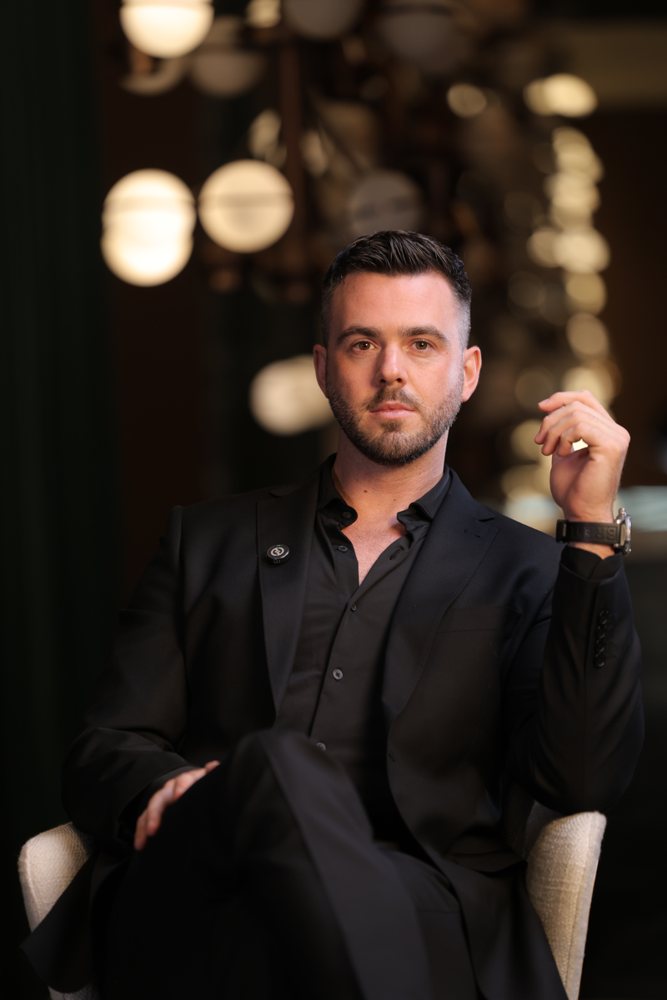
You can do the job. Getting it means talking about yourself to people who are judging you, and that's a skill most people never practise. Josh coaches professionals in Dubai to walk into job, promotion and panel interviews with clear stories, a steady voice and answers that sound like them.
Which one is it?
The questions change. The skill doesn't: say something clear about yourself, back it with a real example, and stay calm while people look at you. Josh starts with the interview you've actually got coming up.
A new company and new people forming a first impression fast. You build a short opener and a handful of stories that cover most of what they'll ask.
Harder than they look, because the panel already knows you. You show them the next version of you, with evidence, without overselling.
Several people across the table, and one of them isn't smiling. You learn where to look, how to include everyone and how to keep answers tight.
Online rounds and recorded ones. Eye line, energy through a screen, and what to do when the silence after your answer feels long.
Being interviewed on TV, a podcast or a panel stage instead? That's a different skill set. See media training in Dubai.
Q1
The opener
It's usually the first question, and it sets the tone for everything after it. Most people answer with a list: the degree, the last three jobs, the skills. The panel already read that on your CV. A list gives them nothing to remember.
Josh coaches a short story with a shape instead. Where you are now. One moment that shows how you got here. Why that matters for this role. Then you stop. Around ninety seconds, said like you mean it.
Rough proportions of a 90-second opener. The story gets the most time.
Every other answer
What does a lawyer do? They present their case, then the evidence, then they close it. Interview answers work the same way. Blanket statements like "I'm a great team player" don't mean anything to a panel. A real moment does.
Answer the question in one line, straight away.
One real example. Take them into the room: what happened, what you did, what changed.
Tie it back to the role they're hiring for. Then stop talking.
"I'm very good with difficult clients. I always stay calm and focus on solutions, and I think communication is really important."
"Calm, and I listen first. Last year a client called to cancel two days before a launch. I asked for thirty minutes in person, let them talk, and we kept the account. That's how I'd handle pressure in this role too."
Illustrative example of the structure, not a real client.
Prepare once
Most interview questions are the same few questions in different clothes. You prepare one real story for each, practise telling it in under two minutes, and then bend it to fit whatever they ask on the day.
What happened, what you owned, what you'd do now.
With or without the title. Who followed, and why.
How you handled it without making it personal.
One number or one change, and your part in it.
New boss, new system, new market. How you adapted.
The answer that ties your stories together.
Client result
Promotions in 4 years for Mohammed.
That's his result, and every career is different. Nobody can promise you the job. What Josh works on is how you show up for the interview, so the panel sees what you can actually do.
"I wish I had started this sooner"
I avoided public speaking for years because I was afraid I wasn't capable, or worried I'd embarrass myself. Now I wish I had started sooner. It would have accelerated my progress and boosted my confidence much earlier.
"I feel so much more confident"
Before I started I had no idea how to structure a talk or deliver it. Now I know exactly what to say and how to say it. You'll see a massive impact, like I have.
How a session runs
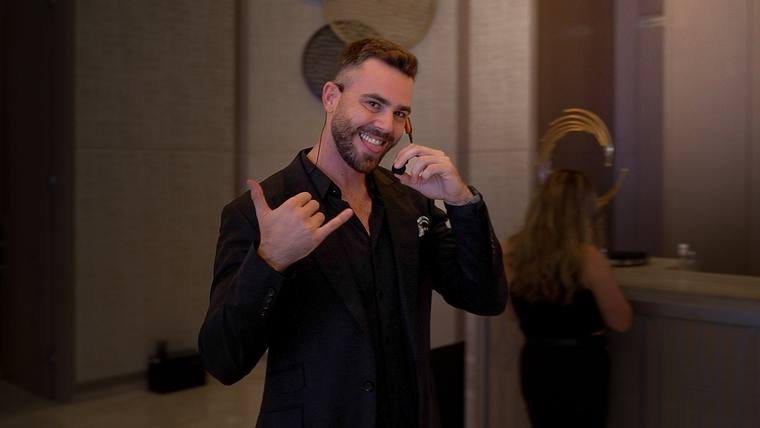
Unless you start speaking, you won't get any better. So sessions are mostly doing, with very little theory.
Delivery
You'll still feel a bit of it. That's because you care. Josh won't promise the nerves disappear. You learn how to manage them and use the energy.
Hold one person for three to seven seconds, then move to the next. Give each person a ticket of information, including the quiet one.
A two-second pause before you answer looks thoughtful. "Um" looks unsure. You practise the pause until it feels normal.
Energy is everything. You bring the energy you want to receive, and the panel usually meets you there.
Is it for you?
Leading a team after the promotion? See leadership communication training and executive presence coaching. Nervous in every room, not only interviews? Start with confidence coaching or the communication coach page.
FAQ
Something not covered? Ask Josh on WhatsApp.
Your opening (the "tell me about yourself" answer), a bank of real stories for the common questions, the shape of each answer, and how you sound and look while you give it. Most of the time goes on mock interviews with one clear note after each answer.
Yes. Promotion interviews are their own kind of tricky, because the panel already knows you. You work on showing them the next version of you, with evidence, so they can picture you in the bigger role.
No. Memorised answers sound memorised, and they fall apart when the question comes from a different angle. You build answers in your own words on a structure you trust, so you can adapt them on the day.
As soon as there's a date. Stories need a few run-throughs before they sound natural. If the interview is in a few days, book the 20-minute call anyway and Josh will tell you what he'd focus on with the time you have.
No. This page is for interviews for a job or a role. If you're being interviewed on TV, a podcast, the radio or a panel stage, that's media training, which works on different things.
It depends on how many sessions you need before the interview. There's no price on this page. Book the call or message Josh on WhatsApp and he'll tell you what he'd recommend.
20 minutes · no pressure
Twenty minutes. Tell Josh the role, the date and what worries you. He'll tell you straight what he'd work on first.
Related